
Wave Guardian Vessel Shock Monitor with Real-Time WBV Monitoring and Crew Overexposure Alerts
An always-on helm gauge that gives your crew immediate visibility of wave impact forces and whole-body vibration exposure. Real-time helm guidance so operators can adjust speed and heading before shock exposure limits are reached.
For commercial workboats, sea safari operators, patrol RIBs, pilot boats, rescue vessels and high-speed craft fleets.
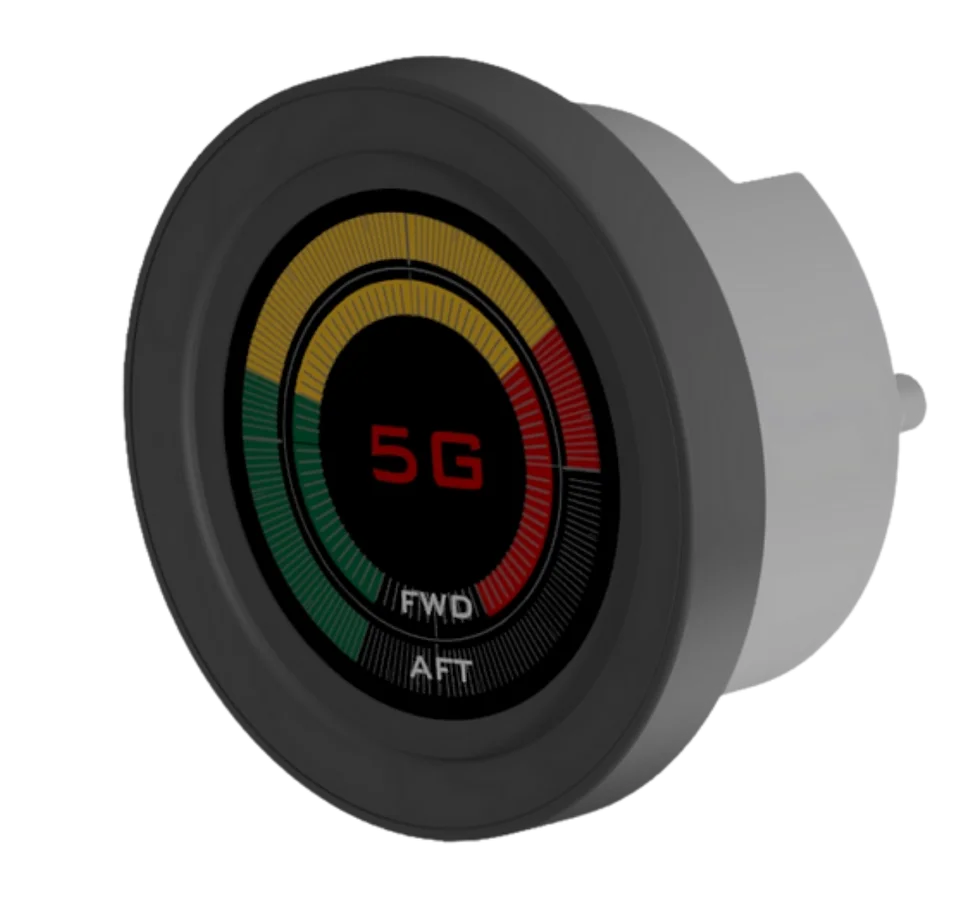
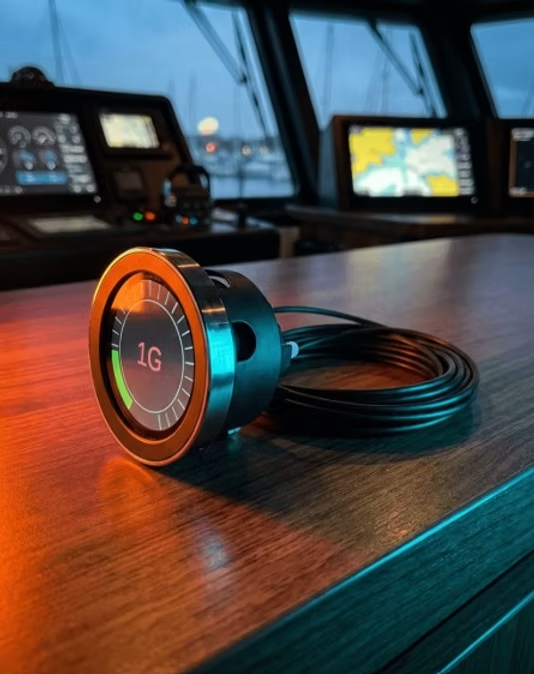
You cannot manage shock exposure if the helm cannot see it
Fast craft in waves expose crew and passengers to repeated shocks and whole-body vibration.
MGN 436 Amendment 5 and Workboat Code Edition 3 (December 2026) treat these risks as a real operational issue, particularly where severe or repeated impacts occur. Training, route decisions, posture and suitable technology all form part of that control picture.
Wave Guardian addresses the part that is often missing: real-time helm guidance on impact force monitoring. When impacts rise, the crew can see it while they still have time to act.
A dedicated impact gauge — not another buried screen
Wave Guardian is an always-on vessel shock monitor built to keep impact force monitoring and crew overexposure alerts in front of the operator throughout the trip.
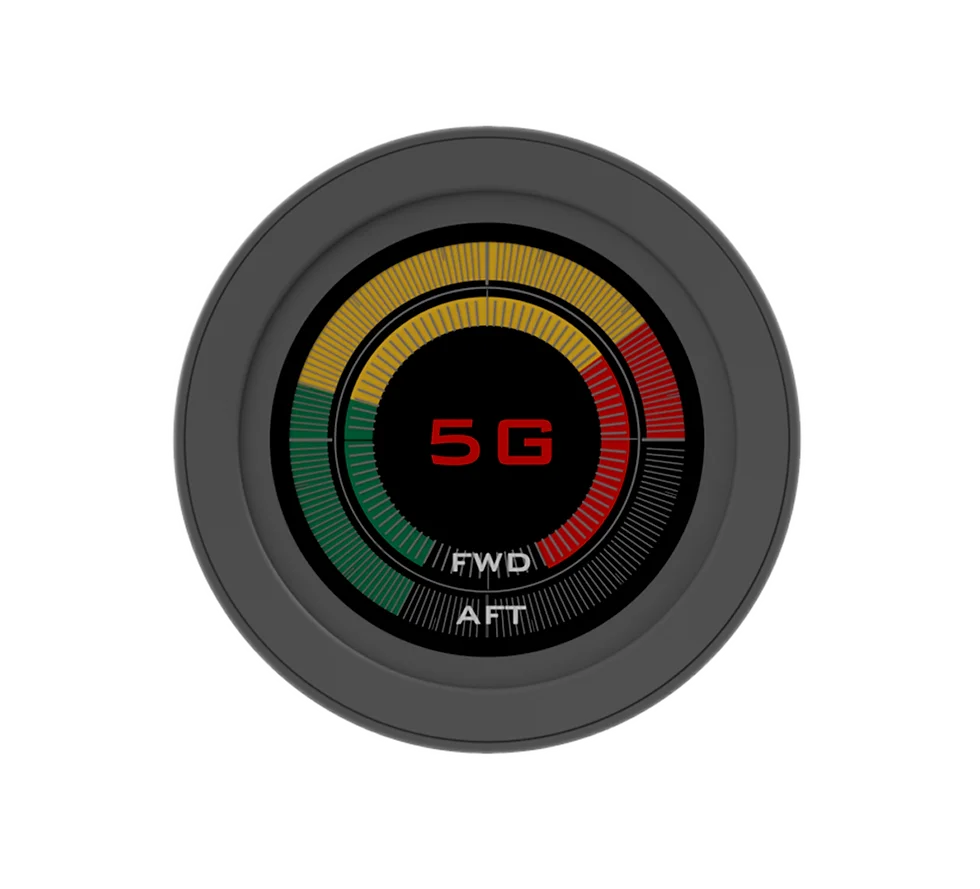
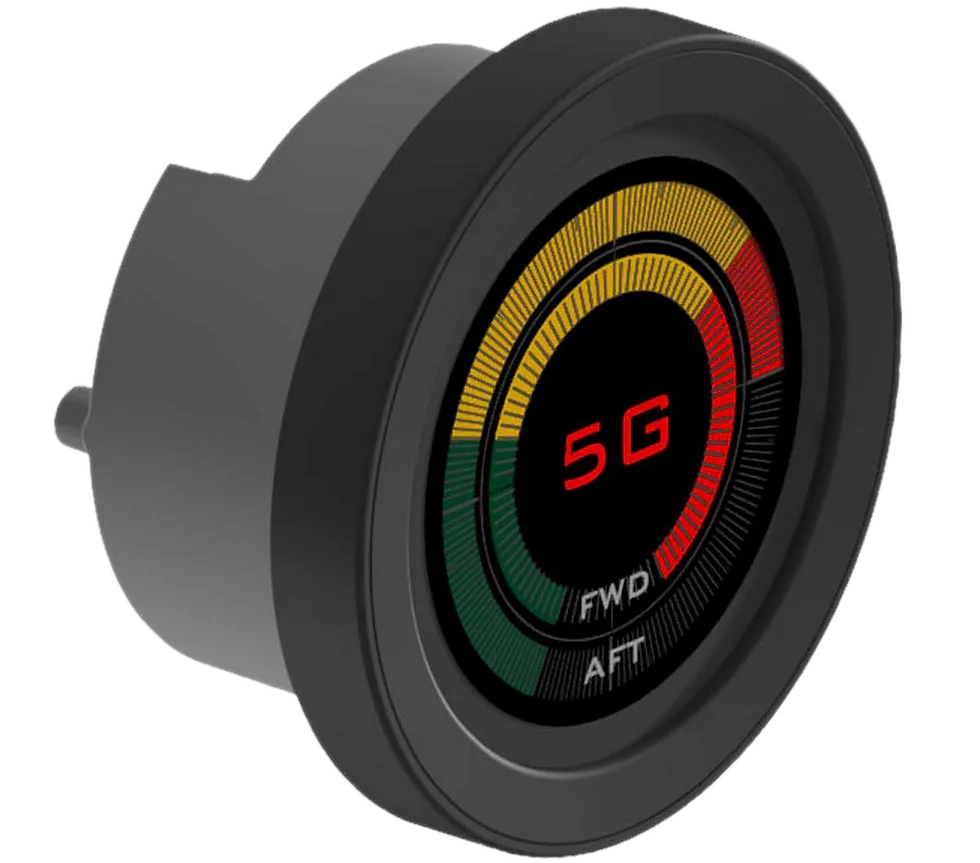
Key Wave Guardian capabilities
Always visible
A dedicated gauge keeps wave impact monitoring and WBV alerts in direct view at the helm throughout every trip.
Always on
Vessel shock monitoring runs continuously once the vessel is operating — not opened only when someone remembers.
Quick fit
A 3-inch round cut-out and straightforward power connection make it practical for retrofit and new-build dashboards.
Stand-alone
No wider onboard network required. Wave Guardian operates independently as a dedicated vessel shock monitor.
No subscription
Wave Guardian is hardware-led. No recurring software costs for your commercial workboat monitoring.
Crew overexposure alerts
Live operating awareness and crew overexposure alerts — not a report that arrives after the trip has ended.
What Wave Guardian helps your crew do
Slow down earlier
Use live impact force monitoring to identify when the vessel is being driven too hard for the prevailing conditions.
Change heading sooner
Give helmsmen real-time helm guidance and an extra prompt to alter course when the impact pattern builds.
Operate more consistently
Support consistent operating standards across crews, vessels and routes with visible shock exposure limits.
Reduce repeated severe events
Make impact escalation visible before it becomes the normal operating condition. Keep your crew informed.
Strengthen duty of care
Turn "it felt acceptable" into a more evidence-led operating conversation. Support your duty of care with visible WBV monitoring.
Support debrief and review
Paired with BRNKL Blue or future data modules, live impact awareness sits alongside richer trip review and reporting.
Supporting MGN 436 Amendment 5 and Workboat Code 3 compliance
MGN 436 Amendment 5 provides guidance on reducing injury risk from whole-body vibration, severe shocks and repeated impacts on small vessels.
Workboat Code Edition 3, effective from December 2026, strengthens requirements around shock exposure limits and crew welfare on commercial craft. Wave Guardian does not replace risk assessments, passenger briefings or training. It gives the helm a clearer real-time cue to manage impact exposure while the trip is still underway.
For many operators, Wave Guardian is the simplest first step from Workboat Code 3 compliance wording to visible control at the helm.
Read the compliance guide →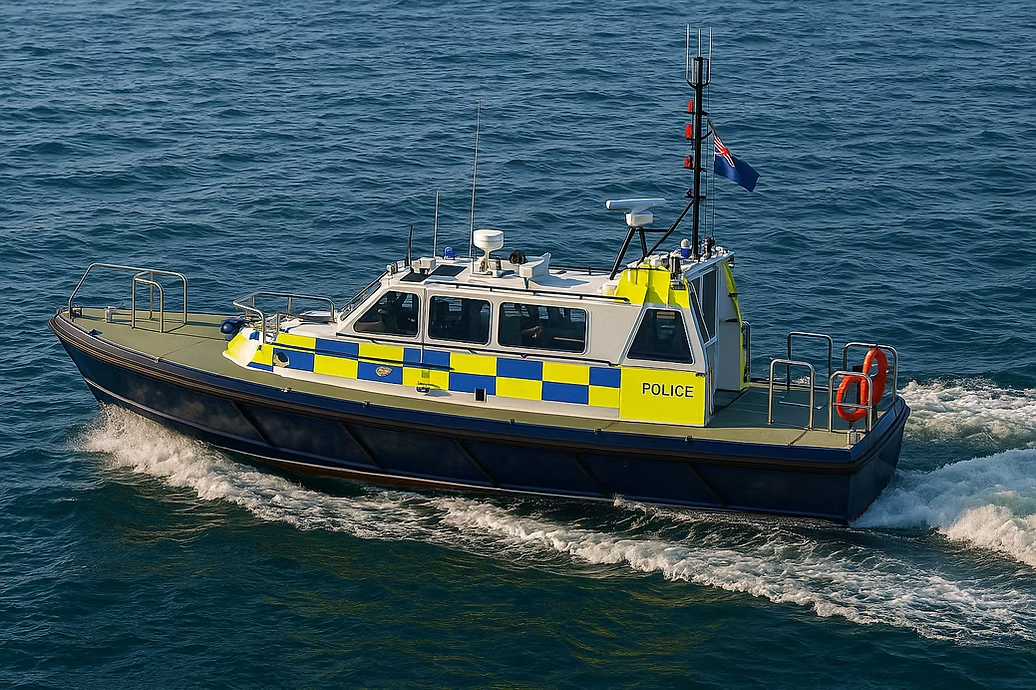
Designed for commercial workboats, patrol RIBs and passenger craft
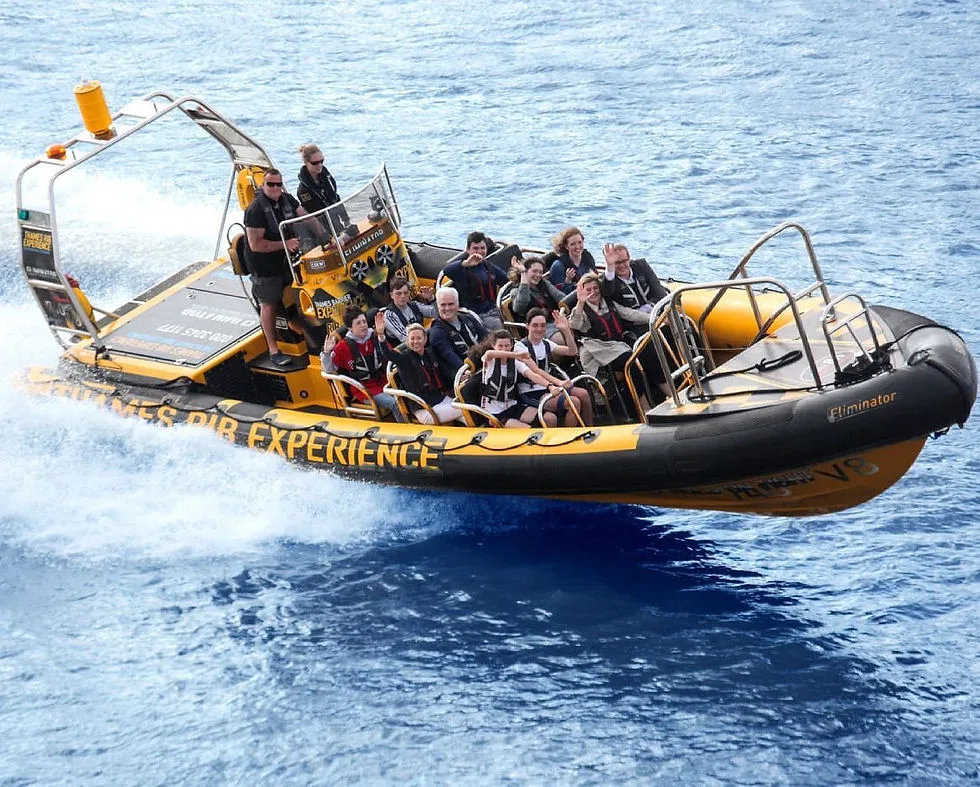
Sea safari and passenger RIBs
Give skippers real-time helm guidance where passenger comfort, complaints and injury risk matter.
Commercial workboats and patrol RIBs
A practical way to strengthen daily WBV awareness across commercial workboat and patrol RIB fleets.
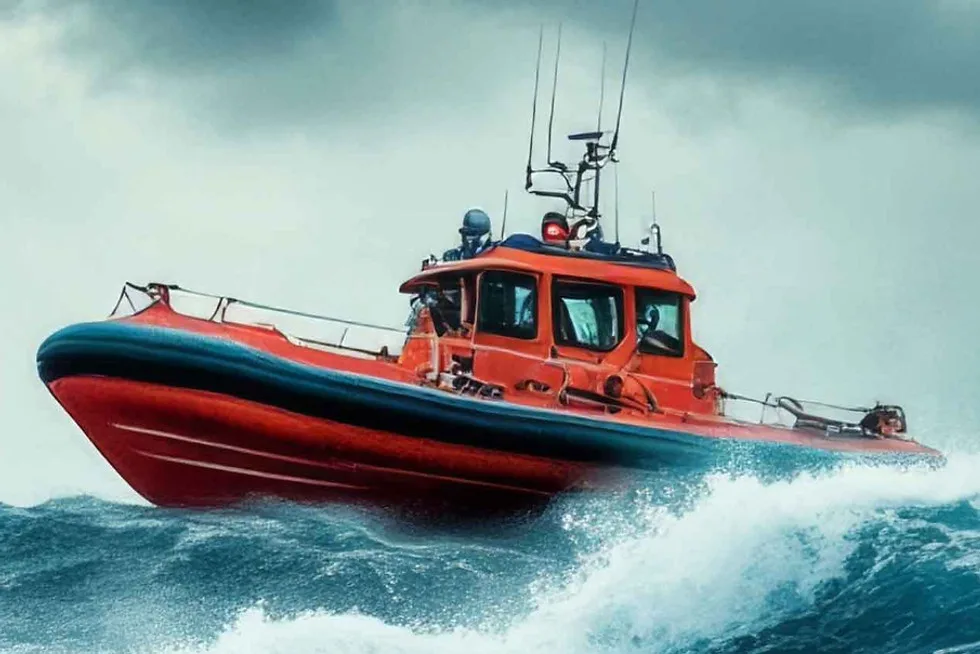
Lifeboat and SAR vessels
Support crew awareness during demanding emergency response in rougher conditions.
Use Wave Guardian alone or as part of a wider monitoring system
Wave Guardian only
Best where you want a dedicated vessel shock monitor with minimal installation complexity and no subscription.
Wave Guardian + BRNKL Blue
Add onboard cameras, NMEA 2000 data, trip replay and remote vessel monitoring for post-trip review and incident evidence.
Wave Guardian + BRNKL Black
Add a marine black box with secure recording, synchronised video and fleet monitoring for defence, police and commercial operations.
Shock exposure limits remain an operator decision
Wave Guardian is an information tool for impact force monitoring. Default thresholds are not a vessel-specific safety standard and must not replace operator judgement, risk assessment or training. The operator remains responsible for selecting and managing appropriate shock exposure limits for the vessel, route and operating profile. Mission Dynamics is not liable for injuries, losses or outcomes arising from reliance on default threshold values.
Related guides and products
Wave Guardian: common questions
What is Wave Guardian?
What is WBV monitoring?
Does Wave Guardian need a subscription?
How is Wave Guardian fitted?
Does Wave Guardian help with MGN 436 and Workboat Code 3?
Can Wave Guardian be combined with other systems?
Put vessel shock monitoring where your crew can use it
Book a short call to review whether Wave Guardian fits your vessel type, duty profile and WBV monitoring approach.